

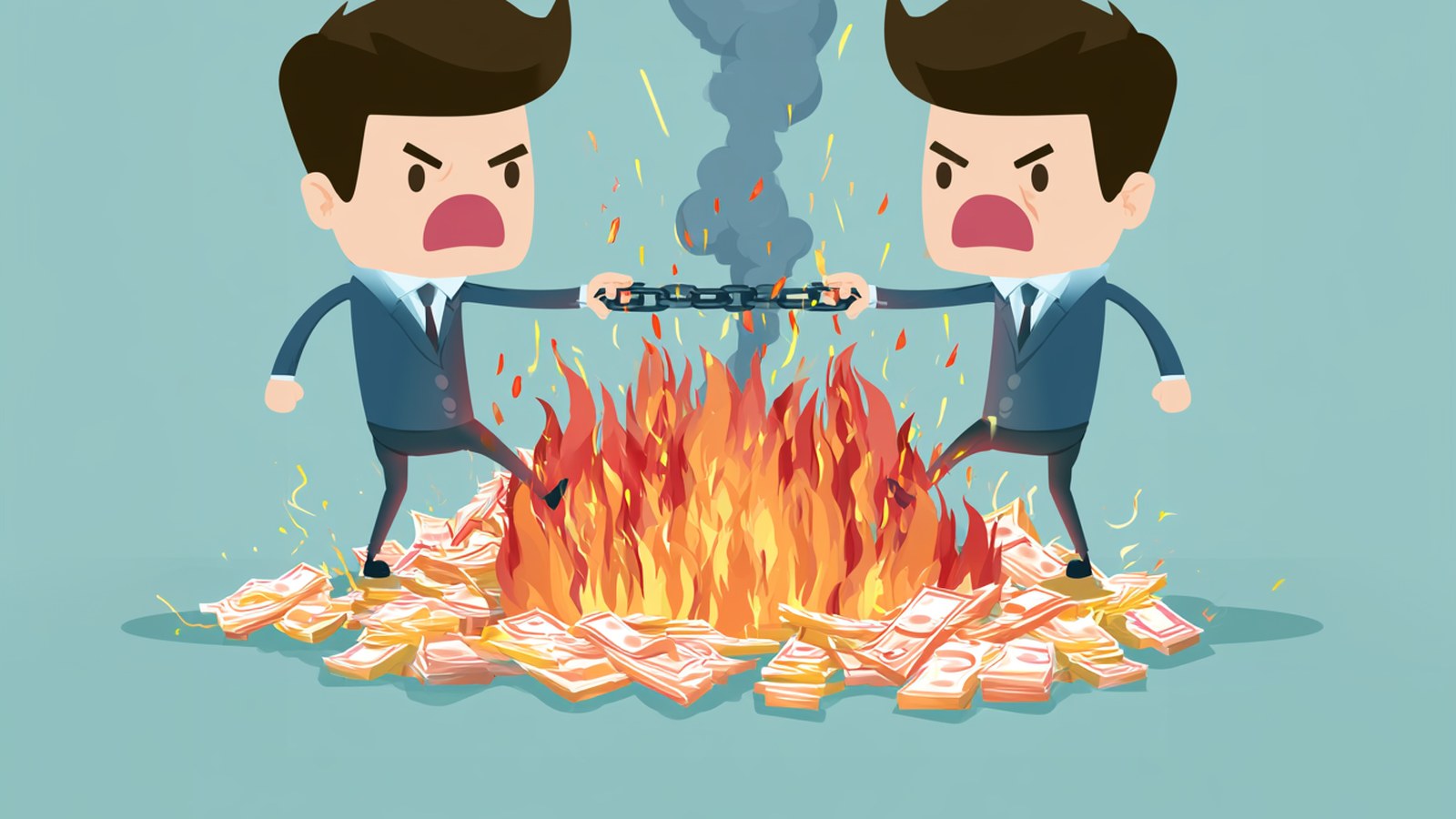
The cost of engaging external advisors is usually negotiated. The cost of the conflict that made the engagement necessary rarely is. Yet that second figure is almost always the larger one.
The direct cost
The most visible cost of an unresolved conflict is lost productive time. People caught in an escalated conflict spend hours each week protecting themselves, duplicating work, holding informal corridor conversations and mentally replaying disagreements instead of focusing on their actual responsibilities.
Multiply those hours by the number of people involved, their internal hourly rates and the duration of the conflict, and the total quickly exceeds the cost of professional conflict resolution many times over. Our Conflict Cost Calculator makes these direct costs transparent and helps organisations understand the financial impact of unresolved disputes.
The more expensive costs are often invisible
The indirect consequences are usually even more significant. Decisions are postponed because leadership teams or committees are unable to reach agreement. Projects lose momentum because departments stop working effectively together. High performers leave the organisation, taking valuable expertise and relationships with them.
Customers often notice internal friction long before organisations realise it themselves. It manifests in slower response times, inconsistent communication and declining reliability. These costs rarely appear on a balance sheet, but are nevertheless very real.
Why early intervention costs less
Conflicts follow a predictable pattern of escalation. Issues that can often be resolved through facilitated conversations in an early stage may later require a formal mediation process and, in the worst case, end in lengthy legal proceedings with substantial financial costs and lost time. From an economic perspective, the right moment to address a conflict is therefore almost always earlier than it feels to those involved.
As long as meaningful dialogue is still possible, conflict resolution remains comparatively straightforward. A structured Conflict Assessment helps determine the nature of the conflict, identify the underlying dynamics and recommend the intervention that is most likely to resolve the situation before organisations invest time and money in measures that fail to address the real problem.